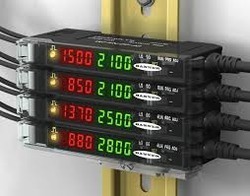
About Banner Fiber Optic Amplifiers
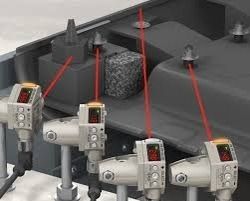
Fiber optic sensors are small enough to fit in confined areas and can be positioned precisely where needed with flexible fibers.
- D10DNFP
- D10DPFP
- D10DNFPQ
- D10DPFPQ
- D10DNFPG
- D10DPFPG
- D10DNFPGQ
- D10DPFPGQ
- D10INFP
- D10IPFP
- D10INFPQ
- D10IPFPQ
- D10INFPG
- D10IPFPG
- D10INFPGQ
- D10IPFPGQ
- D10UNFP
- D10UPFP
- D10UNFPQ
- D10UPFPQ
- D10UNFPG
- D10UPFPG
- D10UNFPGQ
- D10UPFPGQ
- D10BFP
- D10BFPQ
- D10BFPG
- D10BFPGQ
- D10B5FP
- D10B2PFP
- D10B2NFP
- D10AFP
- D10AFPQ
- D10AFPG
- D10AFPGQ
- D10AFPY
- D10AFPYQ
- D10AFPGY
- D10AFPGYQ
- D10DNCFP
- D10DNCFPQ
- D10DPCFP
- D10DPCFPQ
- D12EN6FV
- D12EP6FV
- D12E2N6FV
- D12E2P6FV
- D12EN6FP
- D12EP6FP
- D12E2N6FP
- D12E2P6FP
- D12SN6FV
- D12SP6FV
- D12SN6FVQ
- D12SP6FVQ
- D12SN6FVY
- D12SP6FVY
- D12SN6FVYQ
- D12SP6FVY
- D12SN6FVY1
- D12SP6FVY1
- D12SN6FVY1Q
- D12SP6FVY1Q
- D12SN6FP
- D12SP6FP
- D12SN6FPQD12SP6FPQ
- D12SN6FPYD12SP6FPY
- D12SN6FPYQD12SP6FPYQ
- D12SN6FPY1 D12SP6FPY1
- D12SN6FPY1Q D12SP6FPY1Q
- D12SN6FPHD12SP6FPH
- D12SN6FPHQD12SP6FPHQ
- D12DAB6FV
- D12DAB6FVQ
- D12DAB6FP
- D12DAB6FPQ
- R55F
- R55FQ
- R55FV
- R55FVQ
- R55FVG
- R55FVGQ
- R55FVB
- R55FVBQ
- R55FVW
- R55FVWQ
- R55FP
- R55FPQ
- R55FPG
- R55FPGQ
- R55FPB
- R55FPBQ
- R55FPW
- R55FPWQ
- PBF16U
- PBF26U
- PBF46U
- PBF46UM3MJ1.3
- PBF66U
- PBFM16U
- PBFM46U
- PBT16U
- PBT26U
- PBT46U
- PBT66U
- PBEFP26U
- PBFMP16UMP.2
- PBP16U
- PBP26U
- PBP46U
- PBPF26U
- PBPF26UMB
- PBPMSB36U
- PBPS26U
- PBPS46U
- PBPS46UMT
- PBPS66U
- Fiber Optic Amplifier: DF-G3 Series
- Fiber Optic Amplifier: DF-G1 Series
- Fiber Optic Amplifier: DF-G2 Series
- Fiber Optic Amplifier: D10 Series
- Fiber Optic Amplifier: QS18 Series
- Fiber Optic Amplifier: R55F Series
- Fiber Optic Amplifier: MINI-BEAM Series
- Fiber Optic Amplifier: Q45 Series
- Fiber Optic Amplifier: QM42 Series
Versatile Sensing CapabilitiesThe Banner Fiber Optic Amplifiers accommodate different sensing theories, including resistance, optical, and ultrasonic technologies. This makes them ideal for a wide range of industrial detection applications, ensuring reliable performance and accurate results in challenging environments where conventional sensors may not succeed.
Robust and Reliable DesignEngineered in a durable black housing and weighing 14 kg, these amplifiers offer robust mechanical resistance. Their wide voltage compatibility (100V~240V) allows seamless integration into various existing electrical systems, minimizing installation concerns and maximizing operational uptime across industries.
FAQ's of Banner Fiber Optic Amplifiers:
Q: How do Banner Fiber Optic Amplifiers function in industrial automation settings?
A: Banner Fiber Optic Amplifiers work by converting signals from fiber optic cables into analog outputs for monitoring and control. They support resistance, optical, and ultrasonic detection methods, enabling them to detect objects, changes in position, or anomalies in automated processes with high accuracy.
Q: What are the main benefits of using these amplifiers compared to conventional sensors?
A: These amplifiers provide enhanced sensitivity, quick response times, and flexibility by supporting multiple sensing theories. Their robust build and compatibility with various electrical inputs make them suitable for harsh environments and reduce maintenance needs.
Q: When should these fiber optic amplifiers be used in your application?
A: They are ideal for scenarios requiring high-precision detection where space is limited, lighting conditions vary, or traditional sensors struggle, such as packaging lines, robotics, or material handling systems.
Q: Where can I source Banner Fiber Optic Amplifiers in India?
A: These amplifiers are available through a wide network of dealers, distributors, exporters, fabricators, importers, manufacturers, producers, retailers, service providers, suppliers, traders, and wholesalers across India.
Q: What is the installation process for these amplifiers?
A: Installation involves mounting the amplifier securely, connecting it to compatible sensors and power sources (100V~240V), and configuring output signals as required for your application. Comprehensive support is available from suppliers and service providers.
Q: How are these amplifiers typically used in industrial environments?
A: They are commonly deployed for object detection, position and color recognition, and quality control processes in manufacturing, packaging, and automation industries.
Q: What advantages does the analog output provide for users?
A: Analog output signals offer real-time, continuous feedback, enabling precise monitoring and control for fine-tuned adjustments and better process optimization in automated systems.







 Send Inquiry


 Send Inquiry


