About Control Panel Boards
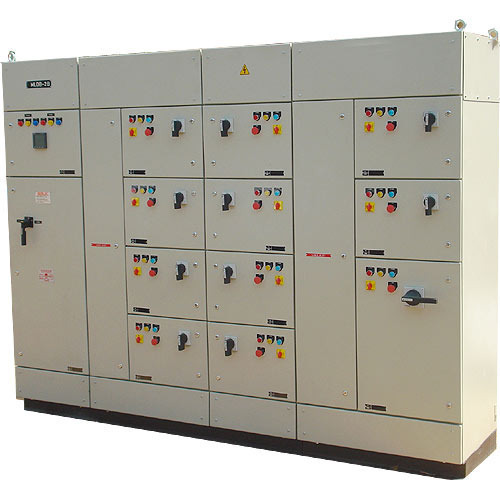
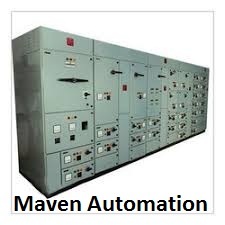
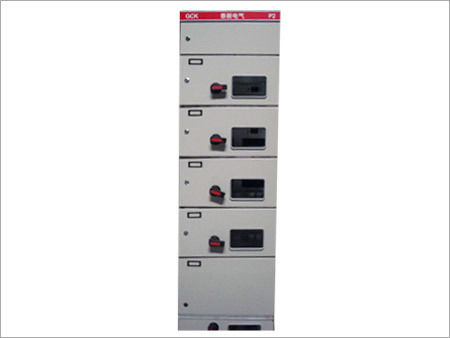
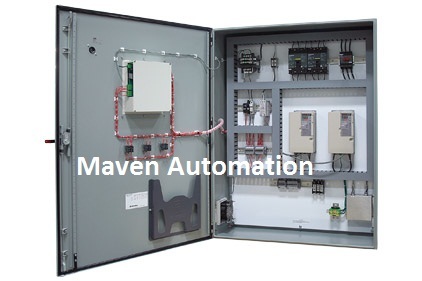
Owing to the expertise and knowledge of this field, our firm has engaged in offering Control Panel Boards. Designed and assembled in compliance with international quality standards using optimal quality components, these boards are compatible for installation with an assorted range of machinery and electrically-operated systems. Our quality inspectors also ensure to check these boards over defined quality parameters to assure their flawless operations. Apart from this, the offered Control Panel Boards can be availed from us in different technical specifications at reasonable costs.
Features:
- Optimum performance
- Hassle-free installation
- Longer service life
- Resistant to high electrical loads
Industrial-Grade DurabilityCrafted from high-quality mild steel with a robust 1.6mm thickness, these control panels are designed to withstand demanding industrial environments. With an IP55 protection rating, they safeguard critical automation and power distribution components from dust, water, and potential corrosion, ensuring optimal longevity and reliability.
Versatile Customization OptionsThe modular enclosure design offers flexibility in configuration, accommodating single or multiple ways, manual or automatic control systems, and analog or digital meters. Customers can choose floor or wall mounting, cable entries, and door types (single/double), allowing tailored solutions for unique industrial setups.
Efficient and Safe Power ManagementEngineered for three-phase power supply and high current ratings (up to 630A), these panels incorporate MCCB, relays, and high-grade electrolytic copper busbars. Integrated safety features like interlock systems and comprehensive earthing with earth bus contribute to superior operational safety and streamlined maintenance.
FAQ's of Control Panel Boards:
Q: How do I decide between floor mounting and wall mounting for these control panel boards?
A: The choice between floor and wall mounting depends on available space, panel size, and site-specific installation requirements. Floor-mounted panels are ideal for larger systems requiring more space and easier accessibility, while wall-mounted panels suit compact areas or where floor space must be conserved.
Q: What environments are these control panel boards suitable for, considering temperature and humidity?
A: These panels are designed to operate reliably in environments with ambient temperatures ranging from -10C to +55C and up to 95% relative humidity, making them suitable for a wide range of industrial facilities across diverse climate conditions.
Q: Which safety and protection standards do these panels adhere to?
A: Our control panel boards conform to IEC 61439 standards, feature IP55 ratings for dust and water resistance, use high-quality earthing systems, and incorporate interlock systems to ensure safe operation and simplified maintenance.
Q: What process is followed to customize the panels for specific industrial needs?
A: Customization begins with an assessment of your operational requirements, including current, voltage, control systems, display types, and installation preferences. Based on these details, the modular design allows adjustment of busbar materials, doors, cable entry points, and component selection to deliver tailored solutions.
Q: How does the ventilation and cooling system work within the enclosure?
A: These panels use a natural air ventilation system, meaning they rely on carefully designed air pathways within the enclosure to dissipate heat generated by internal components. This approach reduces maintenance needs and helps maintain optimal operating temperatures.
Q: Where is cable entry provided, and what benefits does it offer?
A: Cable entry is available from either the top or bottom of the panel, accommodating various installation layouts. This flexibility enables easier wiring during installation and enhances accessibility for future maintenance or upgrades.
Q: What are the main benefits of using electrolytic copper busbars in these control panels?
A: Electrolytic copper busbars provide excellent electrical conductivity, which minimizes energy losses and improves overall efficiency and reliability of power distribution. Their high quality also enhances durability and reduces the risk of overheating.







 Send Inquiry


 Send Inquiry


