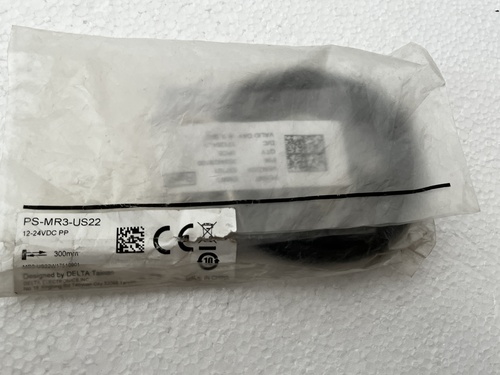
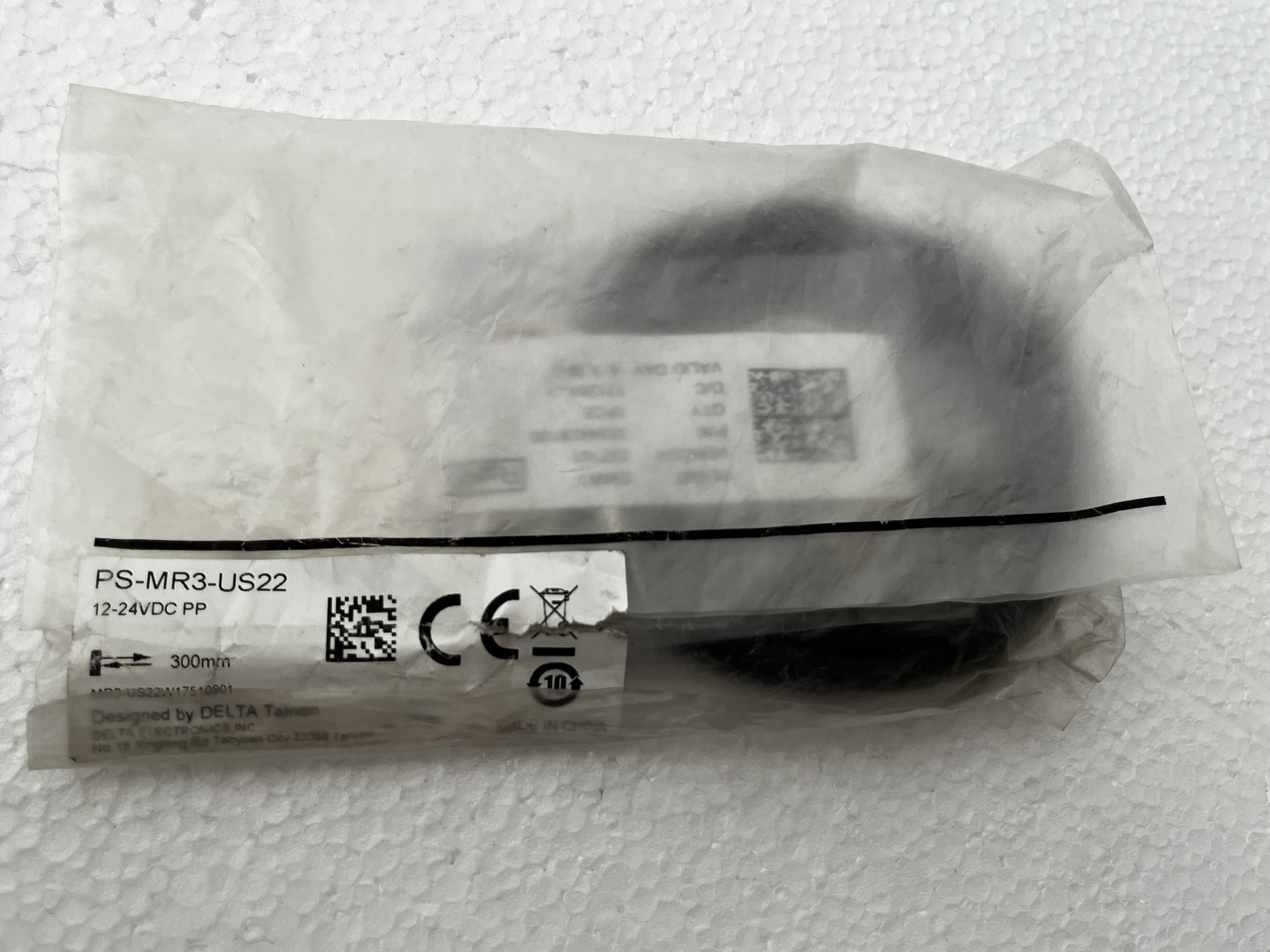
About NEW DELTA PHOTOELECTRIC SENSOR PS-MR3-US22 PNP/NPN
SERIESPS-M series
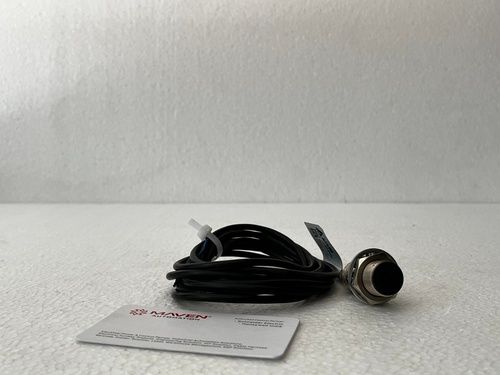
DESCRIPTIONCylindrical photoelectric sensor
SUPPLY PROTECTIONPolarity reversal, impulse overvoltage, over current, short circuit
SUPPLY VOLTAGE12 - 24 VDC
Reliable Performance in Diverse SettingsEngineered to deliver consistent results, the PS-MR3-US22 sensor adapts to varied working conditions and is built to handle operational temperatures between -25C and +55C. Its standard material and classification ensure compatibility with a wide array of setups, making it suitable for numerous industrial and commercial sectors.
Flexible Output for Integration NeedsThe dual output capability (PNP/NPN) of this photoelectric sensor simplifies integration into existing automation systems. Operating at 12 - 24 VDC, it supports seamless interaction with common control panels and programmable logic controllers, streamlining installation for users from manufacturers to wholesalers.
FAQ's of NEW DELTA PHOTOELECTRIC SENSOR PS-MR3-US22 PNP/NPN:
Q: How is the NEW DELTA PHOTOELECTRIC SENSOR PS-MR3-US22 typically used in automation?
A: This sensor is commonly deployed for object detection, positioning, and counting applications in automated industrial environments, enhancing accuracy and efficiency in production lines.
Q: What are the key benefits of using a sensor with both PNP and NPN outputs?
A: With both PNP and NPN outputs, the sensor provides flexible compatibility with various control systems, making installation and connectivity straightforward regardless of the existing wiring logic.
Q: Where can I install the PS-MR3-US22 sensor for optimal performance?
A: Install the sensor in environments where ambient temperatures remain between -25C and +55C, and where a 12 - 24 VDC power source is available to ensure optimal function and longevity.
Q: When should I consider choosing the PS-MR3-US22 for my application?
A: Opt for the PS-MR3-US22 when your application requires a standard-classified photoelectric sensor that offers reliable performance and easy integration, especially when both PNP and NPN compatibility is essential.
Q: What is the installation process for this photoelectric sensor?
A: Begin by connecting the sensor to a 12 - 24 VDC power supply. Ensure proper alignment on your production line and wire the output according to your control system's requirements (PNP or NPN).
Q: What are the main advantages of using this sensor in industrial environments?
A: The primary advantages include reliable detection capabilities, support for dual output types, and resilience in varying temperatures, making it ideal for dynamic industrial settings.







 Send Inquiry


 Send Inquiry


