About SELEC ACESSORIES IO Modules
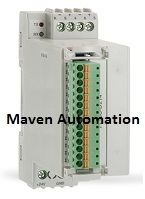
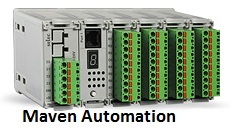
IO Modules, RS485 Proprietary Protocol [EXP-FLEX 2M]
| Display Type | LED Indication for Power ON &;; Communication Status |
| Digital Inputs | As per flexys card selected |
| Digital Outputs | As per flexys card selected |
| Output Ratings | 5A @230VAC / 24VDC (Relay) Source type 100mA @24VDC (Transistor) |
| Analog Inputs | As per flexys card selected |
| Analog Outputs | As per flexys card selected |
| Communication Interface | RS485 Proprietary Protocol |
| Supply Voltage | 18 - 26 VDC |
| Size | 35 x 90mm |
| Mounting Type | Din Rail Mount |
Flexible IO Configurations to Suit Various Industrial NeedsSELEC ACCESSORIES IO Modules come in different configurations to accommodate both digital and analog input and output requirements. Whether you require 8 or 16 digital channels, or 4 analog channels for input and output, there is a model to match. The relay, transistor, or solid-state output options provide the versatility needed for integration with numerous industrial devices.
Robust Protection and Reliable PerformanceThese modules are designed with built-in optical isolation (up to 1500V AC) between field and logic circuits, enhancing operational safety and reliability. Overload and short-circuit protections are available on model-specific variants, ensuring longevity. Response times under 10 ms for digital IO mean they're well-suited for fast-paced automation applications.
Simple Installation, Monitoring, and ExpansionInstallation is straightforward with DIN rail mounting and removable screw terminal blocks. Clear LED status indicators for each channel enable easy status checks. Hot-swappable and modular construction supports seamless expansion and maintenance, making scaling your automation infrastructure efficient.
FAQ's of SELEC ACESSORIES IO Modules:
Q: How do I select the suitable IO module model for my industrial application?
A: To choose the appropriate SELEC ACCESSORIES IO Module, determine your input and output requirements (digital or analog channels), output type (relay, transistor, or solid-state), and compatibility with your PLC. Refer to your system's voltage, power needs, and desired protective features. For advice, consult with your supplier or the SELEC support team.
Q: What benefits does optical isolation offer in these IO modules?
A: Optical isolation up to 1500V AC effectively separates field wiring from internal logic circuitry, reducing risks from electrical disturbances and improving safety and reliability in your automation systems.
Q: Where should these IO modules be installed in an industrial setup?
A: These modules are designed for DIN rail mounting, typically within control panels in industrial automation environments. They connect to SELEC PLCs or other compatible controllers and link with digital or analog sensors and actuators as required by your application.
Q: What process should I follow for expanding my IO capacity with these modules?
A: Start by selecting the compatible expansion model, then mount the module on the DIN rail, connect the screw terminals or removable terminal block, and link it to your PLC. The hot-swappable modular design allows for easy expansion without shutting down existing systems.
Q: How can I monitor the status and performance of each IO channel?
A: Each IO channel features an individual LED indicator that displays real-time operational status. This enables quick identification of any issues and streamlines troubleshooting, enhancing system uptime.
Q: What are the main applications for SELEC ACCESSORIES IO Modules?
A: These modules are ideal for industrial automation, PLC system expansion, and integration with digital or analog sensors. They are commonly used by manufacturers, service providers, system integrators, and suppliers for diverse automation tasks in India.
Q: When is it advisable to use relay outputs instead of solid-state outputs?
A: Relay outputs are preferred when switching higher voltages or when electrical isolation is important. Solid-state outputs are suited for high-speed switching and longer operational life. Selecting the right output type depends on your application's electrical and performance requirements.


![Selec LCD Text Display [Flexys TX4]](https://cpimg.tistatic.com/04086143/b/4/Selec-LCD-Text-Display-Flexys-TX4-.jpg)





 Send Inquiry


 Send Inquiry


