About Autonics Proximity Sensors
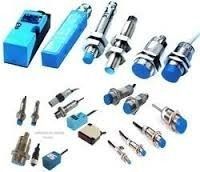
Proximity sensors are the most common and affordable solution for no-touch object detection. The most commonly used proximity sensors are the inductive type which generate an electromagnetic field to sense metal objects passing close to the face. This is usually the easiest sensing technology to apply in applications where the metal target is within an inch or two from the sensor face. Autonics offers 12 products of 6 different types of proximity sensors, both inductive and capacitive and has maintained No.1 market share in Korea for more than 10 years and is still endeavoring to advance product quality and sensing reliability up to the top level of global standards. If you are looking for the most cost effective and reliable proximity sensors, Autonics is the answer.
- PRT08-1.5DO
- PRT08-1.5DC
- PRT08-2DO
- PRT08-2DC
- PR08-1.5DN
- PR08-1.5DP
- PR08-1.5DN2
- PR08-1.5DP2
- PRL08-1.5DN
- PRL08-1.5DP
- PRL08-1.5DN2
- PRL08-1.5DP2
- PR08-2DN
- PR08-2DP
- PR08-2DN2
- PR08-2DP2
- PRL08-2DN
- PRL08-2DP
- PRL08-2DN2
- PRL08-2DP2
- PR12-2DN
- PR12-2DP
- PR12-2DN2
- PR12-2DP2
- PRS12-2DN
- PRS12-2DP
- PRS12-2DN2
- PRS12-2DP2
- PR12-4DN
- PR12-4DP
- PR12-4DN2
- PR12-4DP2
- PRS12-4DN
- PRS12-4DP
- PRS12-4DN2
- PRS12-4DP2
- PRL12-4DN
- PRL12-4DP
- PR18-5DN
- PR18-5DP
- PR18-5DN2
- PR18-5DP2
- PR18-5DN-V
- PRL18-5DN
- PRL18-5DP
- PRL18-5DN2
- PRL18-5DP2
- PR18-8DN
- PR18-8DP
- PR18-8DN2
- PR18-8DP2
- PRL18-8DN
- PRL18-8DP
- PRL18-8DN2
- PRL18-8DP2
- PR30-10DN
- PR30-10DP
- PR30-10DN2
- PR30-10DP2
- PRL30-10DN
- PRL30-10DP
- PRL30-10DN2
- PRL30-10DP2
- PR30-15DN
- PR30-15DP
- PR30-15DN2
- PR30-15DP2
- PRL30-15DN
- PRL30-15DP
- PRL30-15DN2
- PRL30-15DP2
Exceptional Sensing Accuracy and DurabilityWith an impressive sensing distance accuracy of 2% and constructed from nickel-plated brass or ABS, Autonics Proximity Sensors ensure long-term reliability in challenging environments. Their IP67 protection ensures resistance to dust, moisture, and chemicals, making them suitable for demanding industrial settings.
Versatile Industrial ApplicationsThese inductive sensors are used extensively for position detection in automation lines, packaging machinery, and manufacturing processes. Their adaptability across different wiring and voltage requirements make them ideal for dealers, distributors, and manufacturers looking for a flexible sensing solution.
Convenient Installation and Secure OperationAutonics Proximity Sensors are available in both cable and connector types, allowing easy integration into existing systems. The built-in LED operation indicator provides instant feedback, while advanced protection circuits guard against reverse polarity and surges for safe, maintenance-free operation.
FAQ's of Autonics Proximity Sensors:
Q: How do Autonics Proximity Sensors function in position detection applications?
A: These sensors use inductive technology based on the eddy current principle to accurately detect metal objects within a range of 1.5mm to 15mm. When a target enters the sensing field, it alters the sensor's electromagnetic field, triggering the device to switch its output.
Q: What types of output and connection options are available for these sensors?
A: Autonics Proximity Sensors offer NPN or PNP open collector outputs, and select models provide relay outputs. You can choose between cable-type or connector-type connections for simple and flexible installation.
Q: When should one consider using an Autonics Proximity Sensor for industrial applications?
A: Use these sensors whenever precise, non-contact metal object detection is required under harsh conditions, such as in automotive assembly lines, packaging machinery, or robotics. Their robust design and environmental resistance make them suitable for continuous, reliable operation.
Q: Where can these sensors be installed and used effectively?
A: Owing to their IP67 rating and wide operating temperature range, the sensors can be installed in indoor or outdoor environments exposed to dust, water, or temperature variations. They work reliably in factories, warehouses, and processing plants across India.
Q: What is the benefit of the indicator LED in these sensors?
A: The built-in LED operation indicator enables users to quickly check the sensing and operational status for efficient troubleshooting and routine maintenance, minimizing downtime in critical processes.
Q: How does the protection circuitry enhance sensor life and reliability?
A: Reverse polarity and surge protection circuits safeguard the sensor from electrical faults and voltage spikes, ensuring long-term stability and lower maintenance costs in industrial settings.







 Send Inquiry


 Send Inquiry


