About Autonics Sensors Controllers
Sensor controller receives input from the sensor, transforms it into various forms of logic representation, and output it to relay.
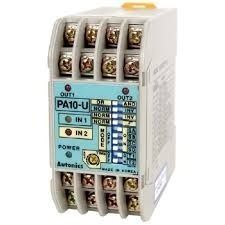
PA10 Series
Multifunctional sensor controllers PA10 Series feature 13 different operation modes selectable using DIP switches. The sensor controllers also feature high speed input response, flip-flop mode for convenient level control, timer mode, and support a wide range of power supplies (100-200VAC 50/60Hz) for wider user flexibility. - PA10-U
- PA10-V
- PA10-VP
- PA10-W
- PA10-WP
Features
- 13 kinds of various operation modes selected by DIP switches
- High speed input response
- Flip-flop mode for level control
- Multifunctional unit with timer mode
- DIN rail, Mounting to panel
- Wide range of power supply(100-240VAC 50/60Hz)
PA-12 Series
Main features
- Selectable use of 110/220VAC
- Selectable use of NPN, PNP input
- Able to drive loads up to 3A, 250VAC with proximity sensor or photo sensor input
- Convenient to mount on socket by plug in type
- Output relay with both N.O. and N.C. contacts
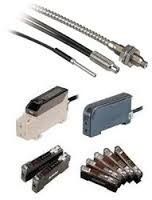
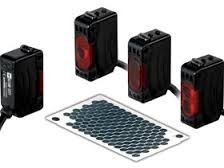
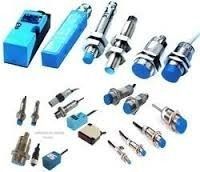
Versatile Sensing and ControlThe Autonics General Series caters to multiple detection needs, offering sensing distances from 2mm to 30m and flexible mounting options. With photoelectric, proximity, temperature, level, and rotary encoders available, these devices handle diverse automation requirements for process and machine control seamlessly.
Robust Design, Reliable OperationConstructed from ABS, polycarbonate, or metal, these sensors and controllers withstand industrial conditions. Ingress protection ratings up to IP67 keep devices safe from dust and water, while operating in temperatures from -40C to 85C. Certified for CE, RoHS, and UL (select models), every unit promotes durability and safety.
Easy Installation and IntegrationInstallation is straightforward, thanks to DIN rail, panel, or bracket mounting methods. Connect via cable, connector, or terminal block, ensuring compatibility with existing systems. With fast sampling times and a variety of outputs, integration into automated processes is quick and efficient.
FAQ's of Autonics Sensors Controllers:
Q: How do I select the right Autonics sensor or controller for my application?
A: Choose based on your specific sensing or control needs, such as detection method (photoelectric, proximity, etc.), required sensing distance (2mm-30m), output type, and environmental requirements like ingress protection (IP65 or IP67). Mounting and connection options should also be matched to your installation environment.
Q: What benefits do Autonics General Series sensors and controllers provide for industrial automation?
A: These devices offer high-speed response, flexible control outputs, and a range of detection methods. Their robust enclosures and certification ensure durability and compliance, while easy installation and wide operating ranges optimize uptime and productivity in industrial settings.
Q: When is it recommended to use models with higher ingress protection (IP65 or IP67)?
A: Use sensors or controllers with higher IP ratings in environments exposed to dust, water, or moisture. For example, IP67 models are ideal for washdown or outdoor applications, while IP65 provides protection from dust and low-pressure water jets.
Q: Where can Autonics sensors and controllers be mounted in industrial setups?
A: You can install these devices on DIN rails, panels, or brackets, offering adaptability for control cabinets, machine panels, and process lines. Choose the mounting type that best fits your space and operational requirements.
Q: What are the process steps to connect and power an Autonics controller?
A: Connect the controller using cables, connectors, or terminal blocks as specified in the product manual. Ensure you supply power within the range of 12-24VDC or 100-240VAC (model dependent), and wire the control outputs properly according to your system's needs.
Q: How is the accuracy of these devices ensured in operation?
A: Autonics sensors and controllers provide 1% full-scale accuracy, with compensation for temperatures between 0C and +50C. Their robust design, combined with dielectric strength and insulation resistance, ensures reliable performance even in fluctuating conditions.
Q: What certifications support the use of Autonics sensors and controllers in industrial settings?
A: Select models are certified with CE, RoHS, and UL, guaranteeing their compliance with international safety and environmental standards. Always check model-specific certifications to meet regulatory or customer requirements.







 Send Inquiry


 Send Inquiry


