About Pepperl Fuchs Sensor and Encoder
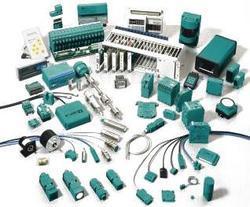
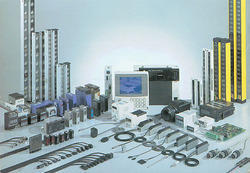
We are supplier of Pepperl Fuchs make Proximity Sensors , Inductive Sensors ,Capacitive Sensors , Photoelectric Sensors , Ultrasonic Sensors , Rotary Encoders , Isolated Barriers ,Safety Light Curtain , Color Mark sensor.
- Pepperl Fuchs Photoelectric Sensor
- Pepperl Fuchs Proximity Sensor
- Pepperl Fuchs Magnetic Sensor
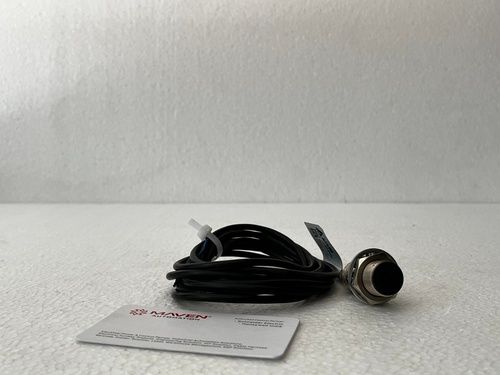
- Pepperl Fuchs Inductive Sensor
- Pepperl Fuchs Capacitive Sensor
- Pepperl Fuchs Slot Sensor
- Pepperl Fuchs Ultrasonic Level Sensor
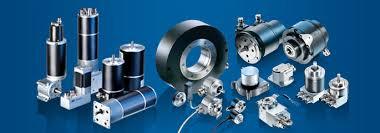
- Pepperl Fuchs Rotary Encoder
- Pepperl Fuchs Barriers
Robust Industrial PerformanceBuilt with nickel-plated brass, ABS, or stainless steel, and rated to IP67, these sensors and encoders withstand challenging industrial environments. Shock and vibration resistance, as per IEC standards, ensure longevity and consistent accuracy even in dynamic applications. Their wide temperature range and stable operation help maintain productivity across various sectors.
Versatile Application and ConfigurationWith multiple output types (PNP, NPN, Push-pull, Incremental) and connection options (cable, M12, M8 connector), Pepperl Fuchs devices fit diverse automation setups. Adjustable sensing distances, fast switching frequencies, and high encoder resolution provide flexible integration for production lines, process monitoring, or machinery control in both new and retrofit scenarios.
FAQ's of Pepperl Fuchs Sensor and Encoder:
Q: How do I select the appropriate sensing distance for my application?
A: The sensing distance required depends on your target detection needs and specific installation constraints. Pepperl Fuchs sensors offer ranges from 2 mm to 15 mm; choosing the right one ensures optimal detection reliability without false triggers.
Q: What are the main benefits of using these sensors and encoders in industrial settings?
A: They deliver high accuracy (0.5% FS), fast response (<0.2 ms), and high switching frequencies (up to 5 kHz). The rugged housing, IP67 protection, and resistance to shock and vibration ensure dependable operation in tough environments, maximizing uptime.
Q: Where can I install these sensors, considering their protection rating?
A: Thanks to the IP67 rating and robust materials like nickel-plated brass and stainless steel, these devices are suitable for wet, dusty, or dirty environments, including machine shops, assembly lines, and outdoor automation systems.
Q: What types of outputs are available, and how does this affect usage?
A: The sensors and encoders provide PNP, NPN, Push-pull, or Incremental outputs, allowing compatibility with most industrial control systems. This versatility eases integration into both existing and new automation infrastructures.
Q: When should I use a rotary encoder instead of a proximity sensor?
A: Rotary encoders are ideal when precise measurement of rotational movement or position is required, such as in conveyor systems or robotic arms. Proximity sensors are preferred for detecting the presence or absence of objects within a specific range.
Q: How do I connect the devices for optimal reliability?
A: You can choose from cable or M12/M8 connector options. For ease of maintenance and secure connections in high-vibration settings, connectors are recommended. Ensure proper voltage supply (10-30 V DC) for stable operation.







 Send Inquiry


 Send Inquiry


