About Small / Slim Object Detection Area Sensors
SUNX NA1-11 & NA1-PK5 / NA1-5 Area Series
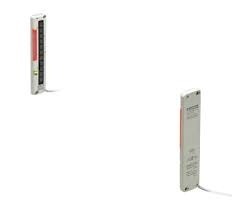
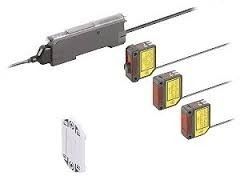
NA1-11 Series - Small / Slim Object Detection Area Sensors
Cross-Beam Detection for Sensing Small and Slim Objects
- Unique cross beam scanning design
- Ultra-slim design
- Clearly visible indicator
Model No.
NPN output
PNP output
Sensor mounting bracket
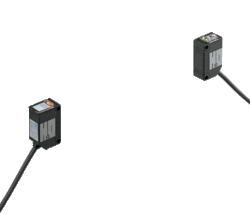
NA1-PK5 and NA1-5 Series - Slim Body Picking Sensors
Part Picking Verification Sensor for Manual Assembly Applications
- Space Saving, Pocket Sized Picking Sensor
- Clearly Visible Programmable Job Indicator
- Ultra-Slim Design
- Mutual Interference Prevention (Side by Side)
Model No.
High-luminous job indicator type
- NA1-PK5 - NPN open-collector transistor
- NA1-PK5-PN - PNP open-collector transistor
Long sensing range type
- NA1-5 - NPN open-collector transistor
- NA1-5-PN - PNP open-collector transistor
5 m 16.404 ft cable length type
Pigtailed type
Mating cable (2 cables are required.)
- CN-24-C2 - 4-core, cable length 2 m 6.562 ft
- CN-24-C5 - 4-core, cable length 5 m 16.404 ft
S-LINK direct hook-up picking sensor
Sensor mounting bracket
Sensor protection bracket
Slit Mask
Y-shaped connector
Advanced Sensing for Laboratory EnvironmentsOur small and slim object detection area sensors are specifically designed for laboratory applications requiring precise detection of minute items. Their white color and compact construction allow seamless integration into various experimental setups, enabling researchers to monitor processes and automate detection tasks with ease. High sensitivity ensures accurate outcomes in demanding environments.
Flexible Power and Lightweight DesignOperating at 240 volts and weighing just 80 grams, these detection area sensors are suitable for both new installations and upgrades. Their slim profile fits where space is restricted, making them ideal for modern laboratories. Easily mountable and portable, these sensors support multiple application requirements.
FAQ's of Small / Slim Object Detection Area Sensors:
Q: How do Small/Slim Object Detection Area Sensors work in laboratory settings?
A: These sensors emit a detection field across a designated area to identify the presence or passage of small or slim objects. When an object interrupts the sensing field, the sensor registers its presence, making them effective for automation, safety, or monitoring in laboratory environments.
Q: What are the benefits of using slim detection area sensors in laboratories?
A: Slim detection area sensors offer high precision, minimal footprint, and easy integration into lab equipment. Their reliable detection capabilities help in automating processes, reducing human error, and increasing the efficiency and accuracy of laboratory workflows.
Q: When should laboratories consider using area sensors instead of single-point sensors?
A: Laboratories should opt for area sensors when they require detection across broader or multiple points simultaneously, especially where objects might move unpredictably or vary in size. They are ideal when monitoring conveyor systems or processes that involve irregularly shaped items.
Q: Where can I purchase these detection area sensors in India?
A: Small/Slim Object Detection Area Sensors are widely available through dealers, distributors, exporters, fabricators, importers, manufacturers, producers, retailers, service providers, suppliers, traders, and wholesalers across India. Many offer online and offline purchasing options for convenience.
Q: What is the installation process for these sensors in laboratory environments?
A: Installation typically involves mounting the sensor onto a stable surface near the desired detection zone, connecting to the laboratory's 240-volt supply, and calibrating according to the size and type of objects to be detected. Detailed manuals and technical support are usually provided by suppliers.
Q: What types of objects can these sensors detect in a lab setting?
A: Designed for versatility, these sensors can identify a variety of small or slim objects, including laboratory samples, glass slides, small containers, or parts moving along an automated track, making them suitable for diverse experimental setups.







 Send Inquiry


 Send Inquiry


